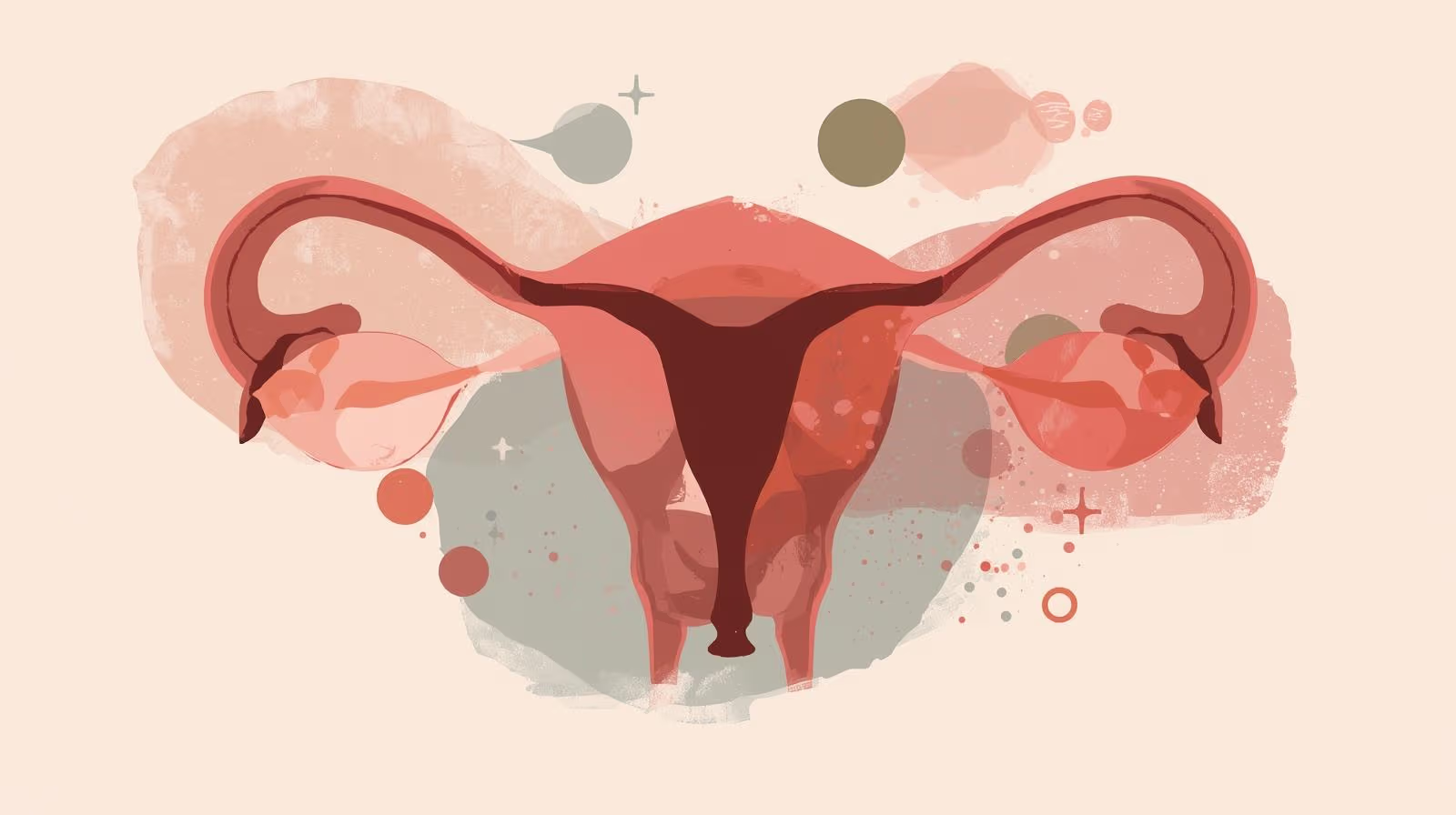
Over Kanseri / Yumurtalık Kanseri
Over kanseri nedir?
Over kanseri, halk arasında bilinen adıyla yumurtalık kanseri, yumurtalıklardan, fallop tüplerinden veya karın içini örten periton dokusundan gelişebilen jinekolojik kanserler grubudur. Günümüzde özellikle yüksek dereceli seröz tip over kanserlerinin önemli bir kısmının fallop tüplerinden başlayabileceği bilinmektedir. Bu nedenle “over kanseri” denildiğinde çoğu zaman yumurtalık, fallop tüpü ve primer periton kanserleri birlikte değerlendirilir.
Bu hastalık tek bir kanser türünden ibaret değildir. En sık görülen grup epitelyal over kanserleridir. Daha nadir olarak germ hücreli tümörler, seks kord-stromal tümörler ve borderline tümörler de görülebilir. Tedavi planı; tümörün tipi, evresi, hastanın yaşı, genel sağlık durumu, doğurganlık beklentisi ve genetik/moleküler özelliklerine göre kişiselleştirilir.
Neden “sinsi” bir hastalık olarak bilinir?
Over kanseri uzun süre belirgin bir bulgu vermeyebilir. Belirtiler çoğu zaman hazımsızlık, gaz, idrar yolu şikâyetleri veya adet/menopoz sorunları gibi daha sık görülen durumlarla karışabilir. Bu nedenle hastaların önemli bir kısmında tanı ileri evrede konur.
Ancak bu, belirtilerin önemsiz olduğu anlamına gelmez. Yeni başlayan, giderek artan, birkaç haftadan uzun süren veya günlük yaşamı etkileyen karın-pelvis şikâyetleri mutlaka değerlendirilmelidir.
Hangi belirtiler ciddiye alınmalıdır?
Aşağıdaki şikâyetler özellikle yeni başladıysa, sık tekrarlıyorsa veya birkaç hafta içinde düzelmiyorsa bir kadın hastalıkları ve doğum uzmanına başvurmak gerekir:
Karında şişkinlik veya dolgunluk hissi
Pelvik bölgede ya da karında ağrı
Çabuk doyma veya iştah azalması
Sık idrara çıkma ya da ani idrar yapma ihtiyacı
Kabızlık, bağırsak alışkanlıklarında değişiklik
Karın çevresinde artış, kıyafetlerin dar gelmesi
Nedensiz kilo kaybı veya kilo artışı
Menopoz sonrası vajinal kanama
Halsizlik, sırt ağrısı veya genel rahatsızlık hissi
“Şişkinlik normal mi, yoksa araştırılmalı mı?”
Şişkinlik çok yaygın bir şikâyettir ve çoğu zaman kanserle ilişkili değildir. Ancak over kanserinde önemli olan şikâyetin karakteridir: Yeni başlamış, neredeyse her gün olan, giderek artan ve basit önlemlerle geçmeyen şişkinlik araştırılmalıdır.
Kimler daha yüksek risk altındadır?
Over kanseri her kadında görülebilir; ancak bazı durumlarda risk artar:
İleri yaş, özellikle menopoz sonrası dönem
Ailede over, meme, pankreas veya prostat kanseri öyküsü
BRCA1 veya BRCA2 gibi kalıtsal gen değişiklikleri
Lynch sendromu gibi kalıtsal kanser sendromları
Daha önce meme kanseri geçirmiş olmak
Hiç doğum yapmamış olmak veya infertilite öyküsü
Endometriozis öyküsü
Obezite
Uzun süreli östrojen içeren hormon tedavileri
Risk faktörü olması mutlaka kanser gelişeceği anlamına gelmez. Risk faktörü olmayan kişilerde de over kanseri görülebilir. Bu nedenle kişisel riskin hekim tarafından değerlendirilmesi önemlidir.
Over kanseri için tarama testi var mı?
Ortalama riskli, şikâyeti olmayan kadınlarda over kanserini erken yakaladığı ve yaşam kaybını azalttığı kanıtlanmış güvenilir bir rutin tarama testi yoktur. CA-125 kan testi ve transvajinal ultrason tanıda veya takipte kullanılabilir; ancak tek başına genel toplum taraması için yeterli değildir.
CA-125 bazı over kanserlerinde yükselebilir, fakat endometriozis, miyom, enfeksiyonlar, adet dönemi ve başka iyi huylu durumlarda da yükselebilir. Ayrıca her over kanserinde CA-125 yüksek olmayabilir. Bu nedenle test sonuçları klinik muayene ve görüntüleme bulgularıyla birlikte değerlendirilmelidir.
“Ultrason yaptırırsam over kanseri kesin anlaşılır mı?”
Hayır. Ultrason yumurtalıklarda kitle, kist veya sıvı gibi bulguları gösterebilir; ancak her kitle kanser değildir ve her kanser erken dönemde net görünmeyebilir. Ultrason önemli bir tanı aracıdır, fakat tek başına kesin tanı koydurmaz.
Tanı nasıl konur?
Over kanseri şüphesinde değerlendirme genellikle birkaç basamaktan oluşur:
1. Öykü ve muayene
Hekim hastanın şikâyetlerini, ne kadar süredir devam ettiğini, aile öyküsünü, adet/menopoz durumunu ve daha önceki hastalıklarını sorgular. Pelvik muayene yapılabilir.
2. Görüntüleme
Transvajinal veya abdominal ultrason ilk değerlendirmede sık kullanılır. Şüpheli bulgularda bilgisayarlı tomografi, manyetik rezonans görüntüleme veya gerekli durumlarda PET/BT istenebilir. Görüntüleme, hastalığın yaygınlığını ve ameliyat planını belirlemede önemlidir.
3. Kan testleri
CA-125 en sık kullanılan tümör belirtecidir. Bazı hastalarda HE4 ve ROMA skoru gibi ek değerlendirmeler kullanılabilir. Genç hastalarda veya nadir tümör şüphesinde AFP, beta-hCG, LDH gibi farklı belirteçler de istenebilir.
4. Patolojik tanı
Kesin tanı, tümör dokusunun patolojik incelemesiyle konur. Bu doku genellikle cerrahi sırasında elde edilir. Bazı ileri evre veya ameliyata uygun olmayan hastalarda biyopsi ile tanı konabilir.
Evreleme neden önemlidir?
Evreleme, kanserin vücutta ne kadar yayıldığını gösterir. Over kanserinde evre; hastalığın yumurtalıklarla sınırlı olup olmadığına, karın içine yayılımına, lenf bezlerine veya uzak organlara ulaşıp ulaşmadığına göre belirlenir.
Genel olarak:
Evre I: Hastalık yumurtalık veya fallop tüpü ile sınırlıdır.
Evre II: Pelvis içindeki yapılara yayılım vardır.
Evre III: Karın içine veya lenf bezlerine yayılım vardır.
Evre IV: Karaciğer içi, akciğer çevresi sıvı veya uzak organ yayılımı gibi daha ileri tutulum vardır.
Evre, tedavi kararını ve takip planını doğrudan etkiler.
Tedavi yöntemleri nelerdir?
Over kanserinde tedavi genellikle multidisipliner planlanır. Kadın hastalıkları ve doğum uzmanı, jinekolojik onkolog, medikal onkolog, radyolog, patolog, genetik danışman ve gerektiğinde diğer branşlar birlikte çalışır.
1. Cerrahi tedavi
Cerrahi, over kanseri tedavisinin temel basamaklarından biridir. Amaç hem tanı ve evrelemeyi yapmak hem de görülebilen tüm tümör dokusunu mümkün olduğunca çıkarmaktır. Buna sitoredüktif cerrahi veya tümör küçültücü cerrahi denir.
Ameliyatın kapsamı hastalığın evresine ve hastanın durumuna göre değişir. Rahim, yumurtalıklar, fallop tüpleri, omentum adı verilen karın içi yağ dokusu, lenf bezleri veya tümörün yayıldığı diğer dokular çıkarılabilir. Erken evre, seçilmiş genç hastalarda doğurganlığı koruyucu cerrahi bazı durumlarda mümkün olabilir.
2. Kemoterapi
Epitelyal over kanserinde en sık kullanılan sistemik tedavi platin bazlı kemoterapidir. Karboplatin ve paklitaksel kombinasyonu sık kullanılan standart yaklaşımlardan biridir. Kemoterapi ameliyat sonrası verilebileceği gibi, tümör yaygınsa veya başlangıçta ameliyat riskliyse ameliyat öncesi de uygulanabilir. Ameliyat öncesi verilen tedaviye neoadjuvan kemoterapi denir.
“Önce ameliyat mı, önce kemoterapi mi?”
Bu karar hastalığın yaygınlığına, hastanın genel sağlık durumuna, ameliyatla tümörün ne kadar çıkarılabileceğine ve cerrahi risklere göre verilir. Amaç, hastaya en yüksek yararı sağlayacak sırayı seçmektir. Bazı hastalarda önce cerrahi, bazı hastalarda önce kemoterapi daha uygun olabilir.
3. Hedefe yönelik tedaviler
Bazı hastalarda kemoterapiye ek olarak hedefe yönelik ilaçlar kullanılabilir. Bevacizumab, tümörün damar oluşumunu etkileyen bir ilaçtır ve seçilmiş hastalarda tedaviye eklenebilir.
PARP inhibitörleri ise özellikle BRCA mutasyonu veya homolog rekombinasyon eksikliği bulunan hastalarda önemli bir idame tedavisi seçeneğidir. Olaparib, niraparib ve rucaparib gibi ilaçlar bu grupta yer alır. Hangi ilacın uygun olduğu hastanın genetik/moleküler test sonuçlarına, önceki tedavi yanıtına, yan etki profiline ve ülkesel geri ödeme koşullarına göre belirlenir.
4. Genetik ve moleküler testler
Epitelyal over kanseri tanısı alan hastalarda genetik değerlendirme büyük önem taşır. BRCA1 ve BRCA2 başta olmak üzere kalıtsal yatkınlık genleri araştırılabilir. Ayrıca tümör dokusunda somatik mutasyon ve HRD gibi moleküler özelliklerin incelenmesi tedavi seçimini etkileyebilir.
Bu testler yalnızca hastanın tedavisini belirlemek için değil, aile bireylerinin risk değerlendirmesi açısından da önemlidir. Gerekli durumlarda genetik danışmanlık önerilir.
5. Radyoterapi ve destek tedavileri
Radyoterapi over kanserinde ana tedavi yöntemi değildir; ancak seçilmiş durumlarda, özellikle sınırlı alanlarda ağrı veya kanama gibi şikâyetlerin kontrolünde kullanılabilir. Destek tedavileri ise tedavinin her aşamasında önemlidir. Beslenme desteği, ağrı kontrolü, psikolojik destek, menopoz yönetimi, fiziksel aktivite planı ve yan etki yönetimi hastanın yaşam kalitesini artırır.
Tedavi sonrası takip nasıl yapılır?
Tedavi tamamlandıktan sonra düzenli takip gerekir. Takibin amacı yalnızca nüksü erken fark etmek değildir; aynı zamanda tedaviye bağlı yan etkileri yönetmek, yaşam kalitesini korumak, psikolojik ve sosyal desteği sağlamak ve hastanın genel sağlığını izlemektir.
Takip planı hastaya göre değişmekle birlikte genel yaklaşım şöyledir:
İlk 2 yıl daha sık kontroller
Sonraki yıllarda aralıkların kademeli olarak açılması
Her kontrolde şikâyet sorgulaması ve fizik/pelvik muayene
Başlangıçta yüksekse CA-125 veya ilgili tümör belirteçlerinin izlenmesi
Şikâyet, muayene bulgusu veya tümör belirteci artışı varsa görüntüleme
Tedaviye bağlı nöropati, yorgunluk, menopoz, kemik sağlığı ve psikolojik etkilerin değerlendirilmesi
Rutin görüntüleme ve CA-125 takibinin sıklığı her hasta için aynı değildir. Bazı hastalarda yakın laboratuvar takibi yararlı olabilirken, bazı hastalarda gereksiz kaygı ve ek işlemlere yol açabilir. Bu nedenle takip planı hasta ve hekim arasında açıkça konuşulmalıdır.
“CA-125 yükselirse bu kesin nüks anlamına mı gelir?”
Hayır. CA-125 yükselmesi nüks açısından uyarıcı olabilir, ancak tek başına kesin tanı değildir. Enfeksiyon, inflamasyon veya başka durumlar da yükselmeye neden olabilir. Karar; şikâyetler, muayene, görüntüleme ve önceki değerlerle birlikte verilir.
Ne zaman doktora başvurulmalı?
Aşağıdaki durumlarda gecikmeden tıbbi değerlendirme önerilir:
Yeni başlayan ve geçmeyen karın şişliği
Sürekli pelvik veya karın ağrısı
Çabuk doyma, iştahsızlık veya açıklanamayan kilo değişikliği
Sık idrara çıkma veya ani idrar ihtiyacı
Menopoz sonrası kanama
Daha önce over kanseri tedavisi görmüş hastada yeni ve kalıcı şikâyetler
Ailede over veya genç yaşta meme kanseri öyküsü
Sonuç
Over kanseri erken dönemde sessiz ilerleyebilir; ancak kalıcı ve yeni başlayan belirtilerin ciddiye alınması tanı sürecini hızlandırabilir. Günümüzde cerrahi, kemoterapi, hedefe yönelik tedaviler ve genetik testlerle tedavi giderek daha kişiselleştirilmiş hale gelmiştir. En doğru yaklaşım, hastalığın tipi ve evresine göre deneyimli bir ekip tarafından planlanan bireyselleştirilmiş tedavi ve düzenli takiptir.
Bu yazı genel bilgilendirme amacı taşır. Tanı, tedavi ve takip kararları mutlaka hastanın kendi hekimi tarafından kişisel tıbbi özellikleri dikkate alınarak verilmelidir.