Vulva ve Vajen Kanserleri
Vulva ve vajen kanserleri, kadın genital sisteminin daha nadir görülen kanserleri arasında yer alır. Nadir olmaları nedeniyle belirtiler bazen uzun süre basit enfeksiyon, kaşıntı, cilt hassasiyeti veya menopoz sonrası değişiklikler ile karıştırılabilir. Oysa erken fark edilen ve doğru değerlendirilen lezyonlarda tedavi başarısı belirgin şekilde artar.
Bu yazı, hem hastalar hem de konuya temel düzeyde aşina olan sağlık profesyonelleri için hazırlanmıştır. Amaç; vulva ve vajen kanserlerinin belirtilerini, tanı sürecini, tedavi seçeneklerini ve takip prensiplerini anlaşılır bir dille özetlemektir.
Vulva ve vajen neresidir?
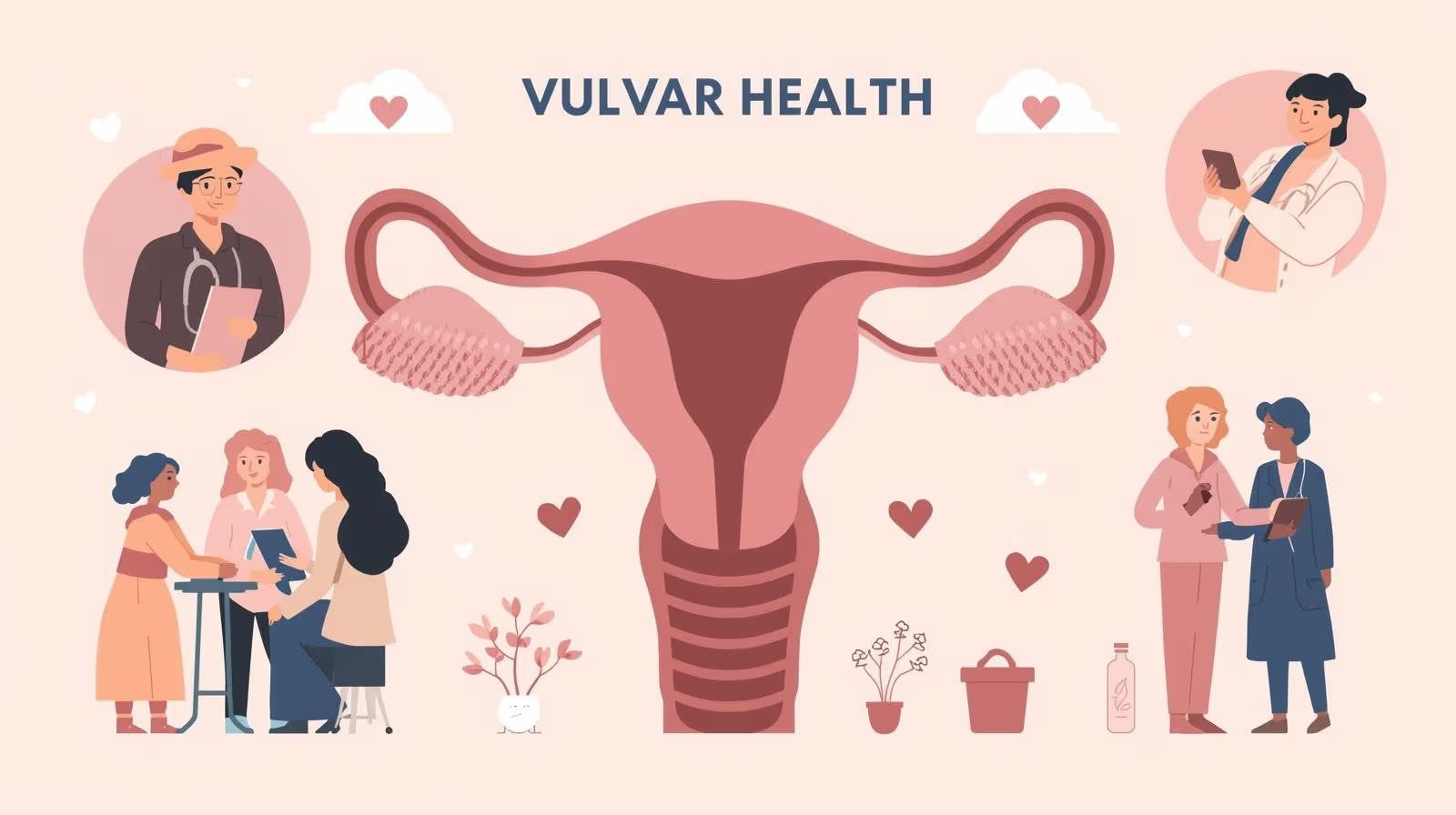
Vulva, kadın dış genital bölgesini ifade eder. Büyük dudaklar, küçük dudaklar, klitoris çevresi ve vajen girişini kapsar.
Vajen ise rahim ağzından dış genital bölgeye uzanan kanaldır. Halk arasında “vajina” olarak bilinir.
Bu iki bölgenin kanserleri birbirine yakın anatomik bölgelerde gelişse de, tanı ve tedavi yaklaşımları bazı yönlerden farklıdır.
Bu kanserler neden önemlidir?
“Kaşıntı uzun sürüyorsa gerçekten önemli olabilir mi?”
Evet. Özellikle vulva kanserinde uzun süren kaşıntı, yanma, ciltte renk değişikliği, kabarıklık, yara veya kanama gibi bulgular ihmal edilmemelidir. Vajen kanseri ise erken dönemde belirti vermeyebilir; bazen rutin jinekolojik muayene sırasında fark edilir.
Her kaşıntı veya kanama kanser anlamına gelmez. Ancak geçmeyen, tekrarlayan veya nedeni açıklanamayan şikâyetlerde jinekolojik değerlendirme gerekir.
Vulva kanseri hakkında genel bilgi
Vulva kanseri çoğunlukla ileri yaşlarda görülür, ancak daha genç kadınlarda da ortaya çıkabilir. En sık görülen tipi skuamöz hücreli karsinomdur. Bazı vakalar HPV enfeksiyonu ile ilişkilidir. Bazı vakalar ise özellikle kronik cilt hastalıkları, örneğin liken skleroz zemininde gelişebilir.
Risk faktörleri arasında şunlar yer alabilir:
İleri yaş
HPV enfeksiyonu
Sigara kullanımı
Bağışıklık sisteminin baskılanması
Vulvada uzun süren kronik cilt hastalıkları
Daha önce vulvar intraepitelyal neoplazi öyküsü
Rahim ağzı, vajen veya anüs çevresinde HPV ilişkili hastalık öyküsü
Vajen kanseri hakkında genel bilgi
Vajen kanseri, jinekolojik kanserler içinde oldukça nadirdir. En sık görülen tipi skuamöz hücreli karsinomdur. Daha nadir olarak adenokarsinom, melanom ve sarkom gibi tipler de görülebilir.
Vajen kanseri de HPV enfeksiyonu ile ilişkili olabilir. Daha önce rahim ağzı kanseri veya HPV ilişkili lezyon geçirmiş olmak, vajinal intraepitelyal neoplazi öyküsü, ileri yaş, sigara ve bağışıklık sistemi baskılanması riski artırabilir.
Hangi belirtiler ciddiye alınmalıdır?
“Basit bir enfeksiyon mu, yoksa doktora görünmeli miyim?”
Aşağıdaki şikâyetler varsa jinekolojik muayene önerilir:
Vulva kanserinde görülebilecek belirtiler
Vulvada geçmeyen kaşıntı
Yanma, ağrı veya hassasiyet
İyileşmeyen yara, çatlak veya ülser
Siğil benzeri kabarıklık
Ciltte kalınlaşma, renk değişikliği, beyaz veya kırmızı plaklar
Vulvada ele gelen kitle
Adetle ilişkili olmayan kanama
İdrar yaparken yanma veya ağrı
Kasıkta şişlik
Vajen kanserinde görülebilecek belirtiler
Cinsel ilişki sonrası kanama
Menopoz sonrası kanama
Adet dışı vajinal kanama
Sulu, kötü kokulu veya kanlı akıntı
Vajende ele gelen kitle
Cinsel ilişki sırasında ağrı
Pelvik ağrı
İdrar yapma veya dışkılama ile ilgili yeni başlayan sorunlar
Bu belirtilerin çoğu kanser dışı hastalıklarda da görülebilir. Ancak özellikle menopoz sonrası kanama, ilişki sonrası kanama ve iyileşmeyen vulvar yara mutlaka değerlendirilmelidir.
Tanı nasıl konur?
“Muayene yeterli olur mu?”
Muayene çok önemlidir ancak kesin tanı için genellikle biyopsi gerekir.
Tanı sürecinde şu adımlar yer alabilir:
1. Ayrıntılı öykü
Şikâyetlerin süresi, kanama durumu, ağrı, kaşıntı, akıntı, HPV öyküsü, smear/HPV test sonuçları, önceki jinekolojik hastalıklar ve kullanılan ilaçlar sorgulanır.
2. Jinekolojik muayene
Vulva, vajen ve rahim ağzı dikkatle değerlendirilir. Vulvada renk değişikliği, kalınlaşma, yara, kitle veya şüpheli alan aranır. Vajen spekulum muayenesi ile incelenir.
3. Vulvoskopi veya kolposkopi
Şüpheli alanların büyütülerek incelenmesine yardımcı olur. Özellikle küçük lezyonların yerini belirlemede faydalıdır.
4. Biyopsi
Kanser tanısı biyopsi ile konur. Şüpheli alandan küçük bir doku örneği alınır ve patoloji laboratuvarında incelenir. Biyopsi, tedavi planının en kritik basamaklarından biridir.
5. Görüntüleme yöntemleri
Hastalığın yaygınlığını değerlendirmek için ultrason, MR, BT, PET/BT veya akciğer görüntülemesi gerekebilir. Özellikle tümörün derinliği, komşu organlarla ilişkisi ve lenf nodlarının durumu tedavi planını etkiler.
Evreleme neden önemlidir?
“Kanserin yeri kadar yayılımı da tedaviyi değiştirir mi?”
Evet. Tedavi kararı yalnızca kanserin adına göre verilmez. Tümörün boyutu, derinliği, çevre dokulara yayılımı, lenf nodu tutulumu ve uzak organ yayılımı değerlendirilir.
Vulva kanserinde özellikle kasık lenf nodlarının durumu tedavi planında çok önemlidir. Vajen kanserinde ise tümörün vajendeki yeri, pelvik dokulara yayılımı ve lenf nodları dikkate alınır.
Tedavi yöntemleri
Tedavi kişiye özel planlanır. Hastanın yaşı, genel sağlık durumu, tümörün tipi, evresi, yerleşimi, lenf nodu durumu ve hastanın yaşam kalitesi beklentileri birlikte değerlendirilir.
Tedavi genellikle jinekolojik onkoloji, radyasyon onkolojisi, medikal onkoloji, patoloji, radyoloji ve gerektiğinde plastik cerrahi uzmanlarının birlikte çalıştığı multidisipliner bir ekip tarafından planlanmalıdır.
Vulva kanserinde tedavi
Cerrahi
Vulva kanserinde erken evrede en temel tedavi genellikle cerrahidir. Amaç kanserli dokuyu güvenli cerrahi sınırlarla çıkarmaktır. Eski yıllarda daha geniş ve yıkıcı ameliyatlar daha sık yapılırken, günümüzde uygun hastalarda organ koruyucu ve yaşam kalitesini gözeten cerrahiler tercih edilmektedir.
Cerrahi seçenekler şunları içerebilir:
Geniş lokal eksizyon
Parsiyel vulvektomi
Daha yaygın hastalıkta radikal cerrahi
Kasık lenf nodu değerlendirmesi
Uygun hastalarda sentinel lenf nodu biyopsisi
Gerekli durumlarda rekonstrüktif cerrahi
Sentinel lenf nodu biyopsisi
Erken evre ve uygun seçilmiş vulva kanseri hastalarında sentinel lenf nodu biyopsisi yapılabilir. Bu yöntem, tümörün ilk yayılabileceği lenf nodunu belirleyip değerlendirmeyi amaçlar. Uygun hastalarda gereksiz geniş lenf nodu çıkarılmasını ve buna bağlı bacak şişliği gibi yan etkileri azaltabilir.
Radyoterapi ve kemoradyoterapi
Tümörün boyutu, cerrahi sınırlar, lenf nodu tutulumu veya hastalığın yaygınlığına göre radyoterapi gerekebilir. Bazı hastalarda radyoterapi kemoterapi ile birlikte uygulanır. Cerrahiye uygun olmayan veya cerrahi öncesi tümörü küçültmek istenen hastalarda da kemoradyoterapi gündeme gelebilir.
Sistemik tedaviler
İleri evre, tekrarlayan veya uzak yayılım gösteren hastalıkta kemoterapi, hedefe yönelik tedaviler veya immünoterapi gibi seçenekler değerlendirilebilir. Bu karar tümörün biyolojik özelliklerine ve hastanın genel durumuna göre verilir.
Vajen kanserinde tedavi
Vajen kanserinde tedavi, vulva kanserine göre daha sık radyoterapi ve kemoradyoterapi temellidir. Bunun nedeni vajenin anatomik konumu, komşu organlarla yakın ilişkisi ve cerrahinin bazı hastalarda fonksiyonel etkilerinin daha belirgin olabilmesidir.
Radyoterapi
Vajen kanserinde özellikle skuamöz hücreli tipte radyoterapi ana tedavi yöntemlerinden biridir. Dıştan ışın tedavisi ve brakiterapi birlikte kullanılabilir. Brakiterapi, radyasyon kaynağının vajen içine veya tümöre yakın bölgeye yerleştirilmesi ile uygulanan özel bir radyoterapi yöntemidir.
Kemoradyoterapi
Bazı hastalarda radyoterapi kemoterapi ile birlikte verilir. Kemoterapi, radyoterapinin etkisini artırmak amacıyla kullanılabilir.
Cerrahi
Çok erken evre, küçük ve uygun yerleşimli tümörlerde cerrahi seçenek olabilir. Bazı adenokarsinom veya sınırlı lezyonlarda cerrahi daha ön planda düşünülebilir. Ancak tedavi kararı mutlaka tümörün yeri, boyutu, evresi ve hastanın beklentileri dikkate alınarak verilmelidir.
Vajinal intraepitelyal neoplazi tedavisi
Vajen kanserinin öncül lezyonları vajinal intraepitelyal neoplazi olarak adlandırılır. Her lezyon kansere dönüşmez; ancak takip ve uygun tedavi önemlidir. Tedavi seçenekleri arasında lokal eksizyon, lazer, topikal ilaçlar veya seçilmiş durumlarda diğer yöntemler yer alabilir.
Tedavi sonrası takip
“Kanser tedavisi bittiğinde süreç tamamen bitmiş olur mu?”
Tedavinin tamamlanması çok önemli bir aşamadır, ancak düzenli takip en az tedavi kadar değerlidir. Takipte amaç; nüksü erken fark etmek, tedaviye bağlı yan etkileri yönetmek, cinsel sağlık ve yaşam kalitesini desteklemek, gerekirse psikolojik destek sağlamaktır.
Takip planı kişiye göre değişebilir. Genel olarak ilk yıllarda kontroller daha sık yapılır, zamanla aralıklar açılır. Kontrollerde şunlar değerlendirilebilir:
Şikâyetlerin sorgulanması
Vulva, vajen ve pelvik muayene
Kasık lenf nodlarının değerlendirilmesi
Gerekirse smear, HPV testi veya kolposkopi
Şüpheli alanlardan biyopsi
Belirti veya muayene bulgusuna göre görüntüleme
Radyoterapi veya cerrahiye bağlı yan etkilerin değerlendirilmesi
Cinsel fonksiyon, vajinal kuruluk, ağrı ve psikososyal ihtiyaçların ele alınması
Hangi durumlarda gecikmeden doktora başvurulmalıdır?
Aşağıdaki durumlarda beklemeden jinekoloji veya jinekolojik onkoloji uzmanına başvurulmalıdır:
Menopoz sonrası herhangi bir vajinal kanama
Cinsel ilişki sonrası tekrarlayan kanama
Vulvada iyileşmeyen yara
Geçmeyen vulvar kaşıntı veya yanma
Vulvada renk değişikliği, kalınlaşma veya kitle
Vajende ele gelen kitle
Kanlı veya kötü kokulu akıntı
Kasıkta yeni gelişen şişlik
Tedavi sonrası yeni başlayan ağrı, kanama veya yara
HPV aşısı ve korunma
HPV, vulva ve vajen kanserlerinin bir kısmı ile ilişkilidir. HPV aşısı, HPV ilişkili kanserlerin ve kanser öncüsü lezyonların önlenmesinde önemli bir koruyucu araçtır. Düzenli jinekolojik kontroller, HPV/smear taramaları, sigaradan uzak durmak ve kronik vulvar cilt hastalıklarının uygun şekilde tedavi edilmesi riski azaltmaya yardımcı olabilir.
Sonuç
Vulva ve vajen kanserleri nadir görülür; ancak erken fark edildiklerinde daha etkili ve daha koruyucu tedavi seçenekleri mümkün olabilir. Geçmeyen kaşıntı, iyileşmeyen yara, anormal kanama veya vajinal kitle gibi belirtiler ihmal edilmemelidir.
En doğru yaklaşım, şikâyetleri basit nedenlere bağlamadan değerlendirmek ve gerektiğinde biyopsi ile kesin tanıya ulaşmaktır. Tedavi ise deneyimli, multidisipliner bir ekip tarafından kişiye özel planlanmalıdır.