Yumurtalık Kist ve Kitle Ameliyatı: Belirtiler, Tanı, Tedavi ve Takip
Yumurtalık kistleri ve yumurtalık kaynaklı kitleler, kadın sağlığında sık karşılaşılan durumlardır. Çoğu zaman iyi huylu olmalarına rağmen, bazı kistler ağrıya, adet düzensizliğine, karında şişkinliğe veya nadiren acil müdahale gerektiren durumlara yol açabilir. Bu nedenle her yumurtalık kisti aynı şekilde değerlendirilmez; hastanın yaşı, menopoz durumu, şikâyetleri, ultrason bulguları, kistin boyutu ve bazı kan testleri birlikte ele alınır.
Yumurtalık kisti nedir?
Yumurtalık kisti, yumurtalık içinde veya yüzeyinde gelişen, çoğunlukla sıvı içerikli keseciklere verilen isimdir. Üreme çağındaki kadınlarda özellikle adet döngüsüyle ilişkili “fonksiyonel kistler” sık görülür. Bu kistler çoğu zaman birkaç adet döngüsü içinde kendiliğinden kaybolabilir.
Bununla birlikte bazı yumurtalık kitleleri yalnızca basit sıvı içermez. Dermoid kist, endometrioma yani çikolata kisti, kistadenomlar veya nadiren kötü huylu tümörler de yumurtalıkta kitle görünümü oluşturabilir. Bu nedenle önemli olan yalnızca “kist var mı?” sorusu değil, “bu kistin yapısı nedir ve takip mi, tedavi mi gerekir?” sorusudur.
Her yumurtalık kisti ameliyat gerektirir mi?
Hayır. Yumurtalık kistlerinin önemli bir bölümü ameliyat gerektirmez. Özellikle üreme çağındaki hastalarda küçük, basit görünümlü, şikâyete neden olmayan kistler çoğu zaman takip edilir. Takipte genellikle ultrason kullanılır.
Ancak bazı durumlarda ameliyat gündeme gelebilir:
Kistin büyük olması
Zaman içinde kaybolmaması veya büyümesi
Ağrı, baskı, şişkinlik gibi şikâyetlere neden olması
Ultrason görüntüsünde solid alan, papiller yapı, kalın septa veya düzensiz görünüm gibi şüpheli bulgular olması
Yumurtalık dönmesi, kist yırtılması veya kanama gibi acil durumların gelişmesi
Menopoz sonrası dönemde kistin riskli özellikler taşıması
Kan testleri ve görüntüleme sonucunda kötü huylu hastalık şüphesinin oluşması
Hangi belirtiler yumurtalık kistine işaret edebilir?
Yumurtalık kistleri çoğu zaman belirti vermez ve rutin jinekolojik muayene veya ultrason sırasında tesadüfen saptanır. Belirti verdiğinde ise şu şikâyetler görülebilir:
Kasık veya alt karın ağrısı
Tek taraflı pelvik ağrı
Karında şişkinlik veya dolgunluk hissi
Adet düzensizliği
Cinsel ilişki sırasında ağrı
Sık idrara çıkma veya mesaneye baskı hissi
Kabızlık veya bağırsaklara baskı hissi
Ani başlayan şiddetli ağrı
Ani ve şiddetli ağrı varsa neden önemlidir?
Ani başlayan, şiddetli kasık veya karın ağrısı; yumurtalık kistinin yırtılması, kist içine kanama olması veya yumurtalığın kendi etrafında dönmesi yani over torsiyonu ile ilişkili olabilir. Özellikle ağrıya bulantı, kusma, bayılma hissi, ateş veya genel durum bozukluğu eşlik ediyorsa acil değerlendirme gerekir.
Over torsiyonu, yumurtalığın kan akımını bozabileceği için zamanında müdahale edilmesi gereken bir durumdur. Bu nedenle ani ve dayanılmaz ağrılar “bekleyelim geçer” şeklinde değerlendirilmemelidir.
Tanı nasıl konur?
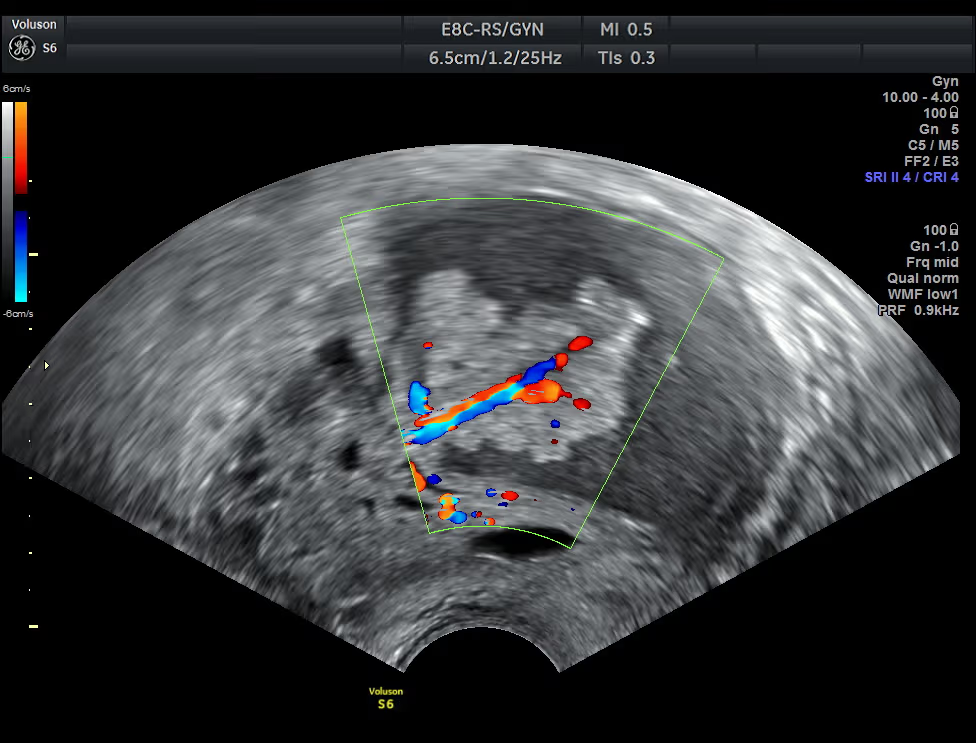
Yumurtalık kist ve kitlelerinin değerlendirilmesinde ilk basamak ayrıntılı öykü, jinekolojik muayene ve ultrasonografidir. Ultrason, kistin boyutunu, iç yapısını, tek odacıklı mı çok odacıklı mı olduğunu, solid alan içerip içermediğini ve çevre dokularla ilişkisini değerlendirmeye yardımcı olur.
Gerekli görülen durumlarda şu incelemeler istenebilir:
Transvajinal veya abdominal ultrasonografi
Doppler ultrasonografi
Gebelik testi
Kan sayımı ve enfeksiyon belirteçleri
CA-125 başta olmak üzere tümör belirteçleri
HE4 veya ROMA gibi ek risk değerlendirme testleri
Manyetik rezonans görüntüleme yani MR
Bilgisayarlı tomografi, özellikle yayılım şüphesi varsa
Menopoz durumuna göre risk skorlamaları
CA-125 yüksekliği her zaman kanser anlamına gelir mi?
Hayır. CA-125 bazı yumurtalık kanserlerinde yükselebilir; ancak tek başına kanser tanısı koydurmaz. Endometriozis, miyomlar, enfeksiyonlar, adet dönemi, gebelik ve bazı iyi huylu durumlarda da CA-125 yüksekliği görülebilir. Bu nedenle CA-125 sonucu mutlaka hastanın yaşı, menopoz durumu, ultrason bulguları ve klinik tablo ile birlikte yorumlanmalıdır.
Menopoz sonrası dönemde CA-125 ve ultrason bulguları daha dikkatli değerlendirilir. Gerekirse hasta jinekolojik onkoloji açısından yönlendirilir.
Tedavi seçenekleri nelerdir?
Tedavi planı kişiye özeldir. Aynı boyuttaki iki kist, farklı hastalarda farklı şekilde yönetilebilir. Tedavi seçenekleri genel olarak üç başlıkta incelenebilir.
1. İzlem ve takip
Küçük, basit görünümlü ve belirti vermeyen kistler çoğu zaman takip edilebilir. Üreme çağında görülen fonksiyonel kistlerin önemli bir kısmı kendiliğinden kaybolur. Takip aralığı; kistin boyutuna, görünümüne, hastanın yaşına ve şikâyetlerine göre belirlenir.
Takipte amaç kistin küçülüp küçülmediğini, kaybolup kaybolmadığını veya riskli özellikler kazanıp kazanmadığını görmektir.
2. İlaç tedavisi
Ağrı kontrolü için uygun ağrı kesiciler kullanılabilir. Hormonal tedaviler bazı hastalarda yeni fonksiyonel kist oluşumunu azaltmaya yardımcı olabilir; ancak mevcut kisti küçültmek için her zaman etkili değildir. Bu nedenle ilaç tedavisi, kistin tipi ve hastanın durumuna göre planlanmalıdır.
Endometrioma yani çikolata kisti varlığında ise tedavi; ağrı, çocuk isteği, kistin boyutu, yumurtalık rezervi ve daha önce geçirilmiş ameliyatlara göre özel olarak değerlendirilir.
3. Cerrahi tedavi
Cerrahi tedavi, kistin çıkarılması veya gerekli durumlarda yumurtalığın kitleyle birlikte alınması şeklinde olabilir. Ameliyatın kapsamı; hastanın yaşı, çocuk isteği, kistin yapısı, kötü huylu hastalık şüphesi ve ameliyat sırasındaki bulgulara göre belirlenir.
En sık uygulanan cerrahi yöntemler şunlardır:
Laparoskopik kist ameliyatı
Kapalı ameliyat olarak da bilinir. Karın duvarına açılan küçük kesilerden kamera ve özel cerrahi aletler ile yapılır. Uygun hastalarda daha az ağrı, daha küçük kesi, daha kısa hastanede kalış ve daha hızlı iyileşme avantajları sağlayabilir.
Laparoskopide amaç çoğu zaman kisti yumurtalık dokusunu mümkün olduğunca koruyarak çıkarmaktır. Bu işleme kistektomi denir.
Laparotomi yani açık ameliyat
Kistin çok büyük olması, yaygın yapışıklık bulunması, kötü huylu hastalık şüphesi olması veya güvenli cerrahi için daha geniş görüş alanı gerekmesi durumunda açık ameliyat tercih edilebilir.
Kistektomi mi, yumurtalığın alınması mı?
Üreme çağındaki ve çocuk isteği olan hastalarda mümkün olduğunca yumurtalık dokusunu korumak hedeflenir. Ancak bazı durumlarda yalnızca kistin çıkarılması yeterli olmayabilir. Yumurtalık dokusunun ciddi şekilde bozulduğu, kanlanmanın bozulduğu, kitleyle yumurtalığın ayrılamadığı veya kötü huylu hastalık şüphesinin bulunduğu durumlarda yumurtalığın alınması gerekebilir.
Bu karar ameliyat öncesi değerlendirme, hastanın beklentileri ve ameliyat sırasındaki güvenlik koşulları birlikte düşünülerek verilir.
Ameliyat öncesi değerlendirmede nelere bakılır?
Ameliyat kararı verilmeden önce şu sorular yanıtlanmaya çalışılır:
Hasta kaç yaşında?
Menopoz öncesi mi, sonrası mı?
Çocuk isteği var mı?
Ağrı veya baskı şikâyeti var mı?
Kistin boyutu nedir?
Ultrason görünümü basit mi, kompleks mi?
Solid alan veya şüpheli yapı var mı?
CA-125 veya diğer belirteçlerde anlamlı yükseklik var mı?
Daha önce karın veya pelvik cerrahi geçirilmiş mi?
Endometriozis veya yapışıklık ihtimali var mı?
Kötü huylu hastalık şüphesi var mı?
Bu sorular, ameliyatın kapalı mı açık mı yapılacağı, yalnızca kistin mi yoksa yumurtalığın da mı alınacağı ve jinekolojik onkoloji ekibine ihtiyaç olup olmadığı konusunda yol gösterir.
Menopoz sonrası yumurtalık kistleri neden daha dikkatli değerlendirilir?
Menopoz sonrası dönemde yumurtalıkta yeni saptanan kistler daha dikkatli değerlendirilir. Bunun nedeni, bu yaş grubunda kötü huylu hastalık riskinin üreme çağına göre daha yüksek olmasıdır. Ancak menopoz sonrası görülen her kist kanser anlamına gelmez. Basit, küçük, tek odacıklı ve belirti vermeyen bazı kistler düzenli takip ile izlenebilir.
Karar; ultrason bulguları, CA-125 değeri, kistin boyutu, hastanın genel durumu ve risk skorlamaları birlikte değerlendirilerek verilir.
Ameliyat sonrası iyileşme süreci nasıldır?
İyileşme süreci ameliyatın kapalı veya açık yapılmasına, kistin boyutuna, ek cerrahi işlem gerekip gerekmediğine ve hastanın genel sağlık durumuna göre değişir.
Laparoskopik ameliyatlardan sonra hastalar genellikle daha kısa sürede günlük yaşamlarına döner. Açık ameliyatlardan sonra ise iyileşme daha uzun sürebilir. Ameliyat sonrası dönemde hafif kasık ağrısı, omuz ağrısı, yorgunluk ve kesi yerlerinde hassasiyet olabilir.
Doktorun önerdiği süre boyunca ağır kaldırmaktan, yoğun egzersizden ve cinsel ilişkiden kaçınmak gerekebilir. Ateş, giderek artan ağrı, kötü kokulu akıntı, yoğun kanama, kesi yerinde kızarıklık veya şişlik gibi durumlarda sağlık kuruluşuna başvurulmalıdır.
Patoloji sonucu neden önemlidir?
Ameliyatla çıkarılan kist veya kitle patolojik incelemeye gönderilir. Patoloji sonucu, kitlenin kesin tanısını verir. Kistin iyi huylu, sınırda yani borderline veya kötü huylu olup olmadığı patoloji ile anlaşılır.
Bazı hastalarda ameliyat sırasında kitle iyi huylu gibi görünse bile kesin karar patoloji sonucuyla verilir. Bu nedenle ameliyat sonrası kontrol randevusunda patoloji raporunun değerlendirilmesi tedavinin en önemli basamaklarından biridir.
Takip nasıl yapılır?
Takip planı kistin tipine, ameliyatın sonucuna, patoloji raporuna, hastanın yaşına ve şikâyetlerine göre belirlenir.
Takipte şunlar yer alabilir:
Jinekolojik muayene
Ultrason kontrolü
Gerekli durumlarda kan testleri
Endometrioma gibi tekrarlama riski olan hastalıklarda uzun dönem takip
Çocuk isteği olan hastalarda yumurtalık rezervinin değerlendirilmesi
Kötü huylu veya borderline tümörlerde jinekolojik onkoloji takibi
Yumurtalık kistleri tekrarlar mı?
Bazı kist tipleri tekrarlayabilir. Fonksiyonel kistler yeniden oluşabilir. Endometrioma yani çikolata kistlerinde de tekrarlama riski vardır. Tekrarlama riskini azaltmak için bazı hastalarda hormonal tedaviler veya düzenli takip önerilebilir. Ancak her hasta için yaklaşım farklıdır.
Ne zaman doktora başvurulmalıdır?
Aşağıdaki durumlarda jinekolojik değerlendirme önerilir:
Geçmeyen veya tekrarlayan kasık ağrısı
Karında şişkinlik ve baskı hissi
Adet düzensizliği
Cinsel ilişki sırasında ağrı
Menopoz sonrası kanama veya pelvik ağrı
Ani başlayan şiddetli karın veya kasık ağrısı
Ağrıya bulantı, kusma, ateş veya bayılma hissinin eşlik etmesi
Daha önce saptanan kistin büyümesi veya takipte kaybolmaması
Sonuç
Yumurtalık kistleri sık görülür ve çoğu iyi huyludur. Ancak her kist aynı değildir. Doğru yaklaşım; hastanın yaşına, menopoz durumuna, şikâyetlerine, ultrason bulgularına ve laboratuvar sonuçlarına göre belirlenmelidir.
Amaç yalnızca kisti tedavi etmek değil; aynı zamanda gereksiz ameliyattan kaçınmak, yumurtalık dokusunu mümkün olduğunca korumak, kötü huylu hastalık ihtimalini zamanında fark etmek ve hastaya güvenli bir takip planı sunmaktır.
Bu nedenle yumurtalık kist ve kitlelerinde kişiye özel değerlendirme büyük önem taşır.