Histeroskopi Nedir?
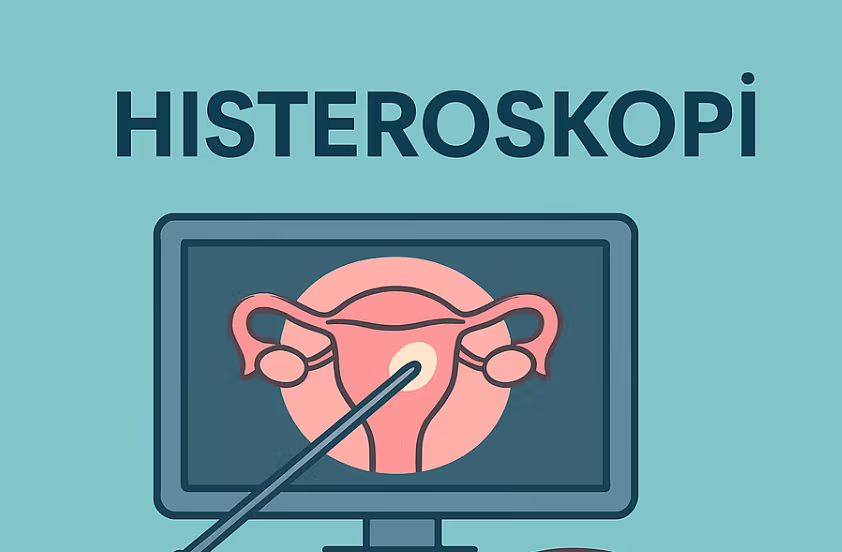
Histeroskopi, rahim içinin ince, ışıklı ve kamera sistemine sahip bir cihaz yardımıyla doğrudan görüntülenmesini sağlayan modern bir jinekolojik işlemdir. Bu cihaz vajina ve rahim ağzından ilerletilerek rahim boşluğuna ulaşır; böylece rahim iç duvarı, rahim boşluğunun şekli ve olası patolojiler ekrandan ayrıntılı olarak değerlendirilebilir.
Peki histeroskopiyi özel kılan nedir? En önemli avantajı, rahim içini yalnızca dolaylı görüntülerle değil, doğrudan gözle değerlendirme imkânı sunmasıdır. Bu nedenle hem tanı koymada hem de bazı durumlarda aynı seansta tedavi uygulamada oldukça değerlidir.
Histeroskopi iki ana amaçla yapılabilir:
Tanısal histeroskopi: Rahim içinin değerlendirilmesi, anormal kanama nedenlerinin araştırılması, ultrason veya diğer görüntüleme yöntemlerinde saptanan bulguların doğrulanması amacıyla yapılır.
Operatif histeroskopi: Tanı sırasında saptanan bazı sorunların aynı işlemde tedavi edilmesine olanak sağlar. Polip çıkarılması, küçük rahim içi miyomların alınması, yapışıklıkların açılması, rahim içinden biyopsi alınması veya ipi görünmeyen rahim içi aracın çıkarılması gibi işlemler yapılabilir.
Hangi Durumlarda Histeroskopi Gerekebilir?
“Hangi şikâyetler rahim içinden kaynaklanıyor olabilir?” sorusu histeroskopinin en sık gündeme geldiği noktalardan biridir.
Histeroskopi özellikle şu durumlarda önerilebilir:
Adet kanamalarının normalden fazla veya uzun sürmesi
Adetler arasında lekelenme ya da düzensiz kanama
Menopoz sonrası kanama
Ultrasonografide rahim içinde polip, miyom veya kalınlaşma şüphesi
Tekrarlayan düşükler
Gebe kalmada güçlük veya infertilite araştırması
Rahim içinde yapışıklık şüphesi
Rahim içi araç ipinin görülememesi
Daha önce yapılan testlerde rahim boşluğu ile ilgili şüpheli bulgu saptanması
Her anormal kanama kanser anlamına gelmez; ancak özellikle menopoz sonrası kanama mutlaka değerlendirilmesi gereken önemli bir belirtidir. Histeroskopi, bu tür durumlarda rahim içinin doğrudan incelenmesine ve gerekirse biyopsi alınmasına imkân verir.
Histeroskopi Öncesinde Tanı Süreci Nasıl İlerler?
“Histeroskopi ilk yapılacak test midir?” Her zaman değil. Çoğu hastada değerlendirme ayrıntılı öykü, jinekolojik muayene ve ultrasonografi ile başlar. Hastanın yaşı, kanama düzeni, gebelik planı, menopoz durumu, kullanılan ilaçlar ve eşlik eden hastalıklar dikkate alınır.
Tanı sürecinde şu yöntemlerden yararlanılabilir:
Jinekolojik değerlendirme: Kanamanın kaynağını, rahim ağzı veya vajinal nedenleri ayırt etmek için önemlidir.
Transvajinal ultrasonografi: Rahim duvarı, rahim içi kalınlığı, miyom, polip veya yumurtalıklarla ilgili ek bulgular hakkında bilgi verir.
Endometrial biyopsi: Özellikle bazı risk gruplarında rahim iç zarından örnek alınması gerekebilir.
Histeroskopi: Ultrason veya biyopsi ile netleşmeyen durumlarda, rahim içindeki odak lezyonların doğrudan görülmesini sağlar. Polip, submüköz miyom, septum, yapışıklık veya şüpheli alanlar daha net değerlendirilebilir.
İşlem Nasıl Yapılır?
Histeroskopi genellikle kısa süren bir işlemdir. İşlemin süresi yalnızca tanısal amaçla yapılıyorsa daha kısa olabilir; biyopsi, polip çıkarılması veya miyom alınması gibi ek işlemler yapılacaksa süre uzayabilir.
İşlem sırasında hasta jinekolojik muayene pozisyonunda olur. Histeroskop adı verilen ince kamera sistemi vajina ve rahim ağzından geçirilerek rahim içine ilerletilir. Rahim boşluğunun daha iyi görülebilmesi için sıvı kullanılarak rahim içi hafifçe genişletilir. Görüntü ekrana aktarılır ve doktor rahim içini ayrıntılı olarak değerlendirir.
Bazı hastalarda işlem muayenehane veya poliklinik koşullarında yapılabilir. Bazı durumlarda ise sedasyon, lokal anestezi veya genel anestezi tercih edilebilir. Bu karar; hastanın ağrı eşiği, yapılacak işlemin türü, rahim ağzının durumu, önceki doğum öyküsü ve eşlik eden tıbbi faktörlere göre verilir.
Histeroskopi Ağrılı Bir İşlem midir?
“İşlem sırasında ağrı hisseder miyim?” Hastaların en sık sorduğu sorulardan biri budur.
Tanısal histeroskopi çoğu hastada adet sancısına benzer kramp şeklinde rahatsızlık yapabilir. Bazı hastalar işlemi hafif bir basınç hissi olarak tarif ederken, bazı hastalarda daha belirgin ağrı olabilir. Gerekli durumlarda ağrı kesici, lokal anestezi, sedasyon veya genel anestezi seçenekleri değerlendirilebilir.
Özellikle operatif işlemlerde, yani polip veya miyom çıkarılması gibi müdahalelerde, hasta konforunu artırmak için anestezi planı kişiye özel yapılır.
Histeroskopi ile Hangi Tedaviler Yapılabilir?
Histeroskopi yalnızca tanı koymak için değil, bazı rahim içi problemlerin tedavisi için de kullanılabilir. Uygun hastalarda kesi yapılmadan, vajinal yoldan rahim içine ulaşılarak tedavi uygulanabilir.
Histeroskopi ile yapılabilen başlıca işlemler şunlardır:
Endometrial polip çıkarılması: Rahim iç zarından kaynaklanan polipler anormal kanama, lekelenme veya infertilite ile ilişkili olabilir. Histeroskopi ile doğrudan görülerek çıkarılabilir.
Submüköz miyom tedavisi: Rahim boşluğuna doğru büyüyen bazı miyomlar fazla kanama veya gebelikle ilgili sorunlara neden olabilir. Uygun boyut ve yerleşimdeki miyomlar histeroskopik olarak alınabilir.
Rahim içi yapışıklıkların açılması: Daha önce geçirilmiş cerrahi işlemler, enfeksiyonlar veya kürtaj sonrası rahim içinde yapışıklık gelişebilir. Bu yapışıklıklar histeroskopi ile değerlendirilebilir ve tedavi edilebilir.
Septum veya doğumsal şekil bozukluklarının değerlendirilmesi: Rahim boşluğundaki bazı yapısal farklılıklar tekrarlayan düşük veya infertilite araştırmasında önem taşıyabilir.
Biyopsi alınması: Şüpheli alanlardan hedeflenmiş doku örneği alınabilir.
Rahim içi aracın çıkarılması: İpi görülemeyen veya rahim içinde yer değiştirdiği düşünülen spiral bazı durumlarda histeroskopi yardımıyla çıkarılabilir.
İşlem Sonrası Neler Beklenir?
“Histeroskopiden sonra hemen normal hayata dönebilir miyim?” Çoğu hasta kısa sürede günlük yaşamına dönebilir. İşlemden sonra hafif kasık ağrısı, adet sancısına benzer kramp ve birkaç gün sürebilen lekelenme görülebilir. Bunlar genellikle beklenen ve geçici durumlardır.
Anestezi uygulanmadıysa veya yalnızca hafif bir işlem yapıldıysa hasta aynı gün normal aktivitelerine dönebilir. Sedasyon veya genel anestezi uygulandıysa kısa süreli gözlem gerekebilir ve o gün araç kullanmamak uygun olur.
Doktorunuzun önerisine göre kısa süre cinsel ilişkiden, tampon kullanımından veya vajinal duş gibi uygulamalardan kaçınmanız istenebilir. Bu öneriler enfeksiyon riskini azaltmak ve rahim içinin iyileşmesini desteklemek içindir.
Ne Zaman Doktora Başvurulmalıdır?
Histeroskopi genel olarak güvenli bir işlem olmakla birlikte, her tıbbi işlemde olduğu gibi bazı riskler vardır. Ağrı, kanama, enfeksiyon, baygınlık hissi veya nadiren rahim duvarında zedelenme gibi durumlar görülebilir.
Aşağıdaki durumlarda doktorunuza başvurmanız önemlidir:
Şiddetli veya giderek artan kasık ağrısı
Yoğun kanama veya pıhtılı kanama
Kötü kokulu vajinal akıntı
Ateş veya titreme
Bayılma, ciddi halsizlik veya baş dönmesi
Ağrı kesicilere rağmen geçmeyen ağrı
Bu belirtiler nadir görülse de erken değerlendirme önemlidir.
Takip Süreci Nasıl Planlanır?
“Histeroskopi sonrası sonuçlar ne zaman değerlendirilir?” Takip planı yapılan işlemin türüne göre değişir. Sadece tanısal histeroskopi yapıldıysa doktor işlem sırasında gördüğü bulguları çoğu zaman aynı gün paylaşabilir. Biyopsi veya çıkarılan doku örneği varsa patoloji sonucunun beklenmesi gerekir.
Takipte genellikle şu başlıklar değerlendirilir:
İşlem sırasında görülen bulgular
Patoloji sonucu
Kanama düzeninin takibi
Ağrı veya enfeksiyon belirtisi olup olmadığı
Gebelik planı varsa sonraki adımlar
Polip, miyom veya yapışıklık gibi durumlarda tekrar riski
Gerekirse ek ilaç tedavisi veya cerrahi planlama
Bazı hastalarda tek bir işlem yeterli olurken, bazı durumlarda ek takip, ilaç tedavisi veya ileri cerrahi gerekebilir. Bu nedenle histeroskopi sonrası takip kişiye özel planlanmalıdır.
Sonuç
Histeroskopi, rahim içi hastalıkların değerlendirilmesinde ve uygun durumlarda tedavisinde önemli bir yöntemdir. Anormal kanama, polip, rahim içi miyom, yapışıklık, infertilite değerlendirmesi veya menopoz sonrası kanama gibi birçok durumda hem tanısal hem de tedavi edici katkı sağlayabilir.
Her hastanın şikâyeti, yaşı, gebelik planı ve tıbbi geçmişi farklıdır. Bu nedenle histeroskopi kararı, işlem şekli ve takip planı mutlaka kadın hastalıkları ve doğum uzmanı tarafından kişiye özel olarak değerlendirilmelidir.