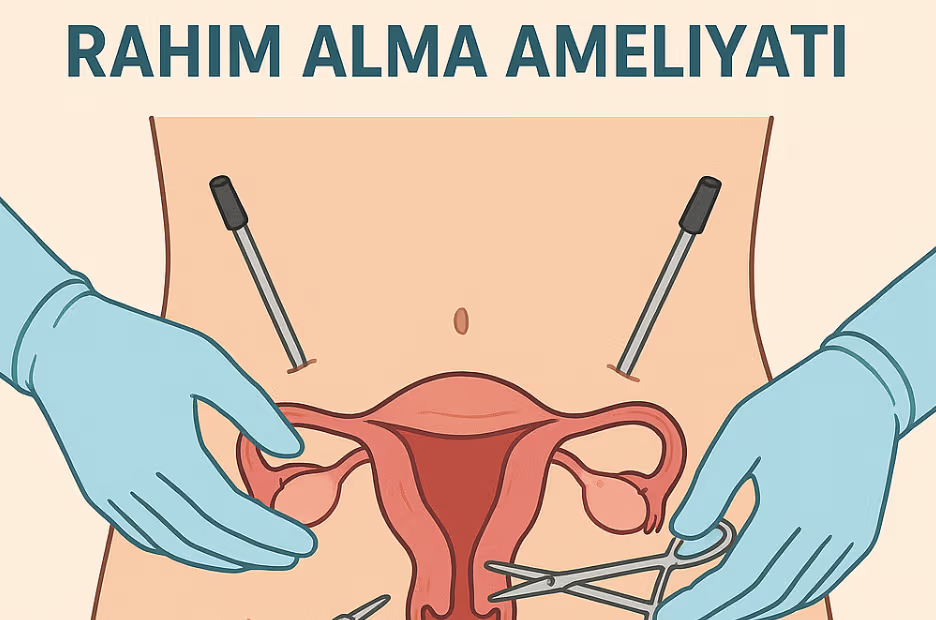
Rahim Alma Ameliyatı — Histerektomi Nedir?
Rahim alma ameliyatı, tıbbi adıyla histerektomi, rahmin cerrahi olarak çıkarılması işlemidir. Bazı hastalarda yalnızca rahim alınırken, bazı durumlarda rahim ağzı, yumurtalıklar, tüpler veya çevre dokuların da çıkarılması gerekebilir. Ameliyatın kapsamı; hastanın yaşı, şikâyetleri, doğurganlık beklentisi, altta yatan hastalık ve ameliyatın yapılma nedenine göre kişiye özel belirlenir.
Histerektomi, kadın hastalıkları ve doğum pratiğinde sık uygulanan büyük cerrahilerden biridir. Günümüzde teknolojik gelişmeler sayesinde birçok hastada açık ameliyat yerine laparoskopik veya robotik histerektomi gibi minimal invaziv yöntemler tercih edilebilmektedir.
Histerektomi ne zaman gündeme gelir?
“Her miyom ya da her kanama rahim alınmasını gerektirir mi?”
Hayır. Histerektomi genellikle diğer tedavi seçenekleri değerlendirildikten sonra gündeme gelen kalıcı bir tedavi yöntemidir.
Rahim alma ameliyatı şu durumlarda önerilebilir:
İlaç tedavisine yanıt vermeyen aşırı veya düzensiz adet kanamaları
Miyomlara bağlı kanama, ağrı, bası hissi veya kansızlık
Adenomyozis
Endometriozis ve kronik pelvik ağrı
Rahim sarkması
Rahim, rahim ağzı veya yumurtalıklarla ilişkili bazı kanserler veya kanser öncüsü durumlar
Doğum sonrası kontrol edilemeyen kanama gibi nadir acil durumlar
Hangi belirtiler hastayı doktora götürmelidir?
“Normal adet kanaması ile tedavi gerektiren kanama nasıl ayırt edilir?”
Bu ayrım her zaman kolay olmayabilir. Ancak bazı belirtiler mutlaka değerlendirilmelidir.
Dikkat edilmesi gereken başlıca şikâyetler:
Çok yoğun adet kanaması
Adet dışı kanama
Menopoz sonrası kanama
Uzun süren veya sık tekrarlayan kanamalar
Kasık ve pelvik bölgede kronik ağrı
Cinsel ilişki sırasında ağrı
Karında şişlik, bası hissi veya sık idrara çıkma
Kansızlık, halsizlik, çabuk yorulma
Rahim sarkmasına bağlı vajinal dolgunluk veya dışarı doğru bası hissi
Bu belirtilerin varlığı mutlaka ameliyat anlamına gelmez. Ancak altta yatan nedenin doğru anlaşılması için jinekolojik değerlendirme gerekir.
Tanı nasıl konur?
“Ameliyat kararı sadece ultrasonla mı verilir?”
Genellikle hayır. Histerektomi kararı, hastanın şikâyetleri, muayene bulguları, görüntüleme sonuçları ve gerektiğinde patolojik değerlendirmeler birlikte ele alınarak verilir.
Tanıda kullanılabilecek yöntemler:
Ayrıntılı jinekolojik öykü
Pelvik muayene
Transvajinal veya abdominal ultrasonografi
Gerekli durumlarda MR görüntüleme
Smear ve HPV testleri
Endometrial biyopsi
Histeroskopi
Kan testleri ve kansızlık değerlendirmesi
Özellikle menopoz sonrası kanama, hızlı büyüyen kitle, şüpheli ultrason bulguları veya kanser riski bulunan hastalarda ameliyat öncesi değerlendirme daha ayrıntılı yapılmalıdır.
Histerektomi türleri nelerdir?
Ameliyatın kapsamına göre farklı histerektomi türleri vardır:
Total histerektomi: Rahim ve rahim ağzı birlikte çıkarılır.
Subtotal veya supraservikal histerektomi: Rahim gövdesi çıkarılır, rahim ağzı korunur.
Radikal histerektomi: Genellikle bazı kanserlerde uygulanır; rahim, rahim ağzı, vajinanın üst bölümü ve çevre destek dokular çıkarılır.
Salpenjektomi: Tüplerin çıkarılmasıdır; bazı hastalarda rahim alma ameliyatına eklenebilir.
Ooforektomi: Yumurtalıkların çıkarılmasıdır. Her hastada gerekli değildir; yaş, menopoz durumu ve hastalık tipine göre karar verilir.
“Yumurtalıklar da alınırsa ne olur?”
Yumurtalıklar menopoz öncesi dönemde alınırsa cerrahi menopoz gelişebilir. Bu durum sıcak basması, uyku bozukluğu, vajinal kuruluk, kemik sağlığı ve kalp-damar sistemi açısından ayrıca değerlendirilmelidir.
Ameliyat yöntemleri nelerdir?
Histerektomi farklı cerrahi yollarla yapılabilir:
1. Açık abdominal histerektomi
Karından yapılan daha büyük bir kesiyle rahmin çıkarılmasıdır. Çok büyük rahim, ileri yapışıklık, bazı kanserler veya minimal invaziv cerrahiye uygun olmayan durumlarda tercih edilebilir. İyileşme süresi genellikle daha uzundur.
2. Vajinal histerektomi
Karında kesi yapılmadan, rahmin vajinal yoldan çıkarılmasıdır. Özellikle rahim sarkması olan uygun hastalarda etkili bir seçenektir.
3. Laparoskopik histerektomi
Karına açılan küçük kesilerden kamera ve ince cerrahi aletlerle yapılan kapalı ameliyattır. Cerrah, kamera görüntüsü eşliğinde rahmi çevre dokulardan ayırır ve rahim genellikle vajinal yoldan veya uygun tekniklerle karından çıkarılır.
Laparoskopik histerektominin olası avantajları:
Daha küçük kesiler
Daha az yara izi
Daha az ameliyat sonrası ağrı
Daha kısa hastane yatışı
Günlük yaşama daha hızlı dönüş
Daha düşük yara yeri enfeksiyonu riski
Pelvik dokuların büyütülmüş görüntü altında değerlendirilmesi
4. Robotik histerektomi
Robotik histerektomi, laparoskopik cerrahinin gelişmiş bir formudur. Cerrah, robotik konsol üzerinden yüksek çözünürlüklü üç boyutlu görüntü altında özel robotik kolları yönetir. Robot kendi başına ameliyat yapmaz; tüm hareketler cerrah tarafından kontrol edilir.
“Robot ameliyatı robot mu yapar?”
Hayır. Robotik sistem, cerrahın el hareketlerini hassas cerrahi hareketlere dönüştüren gelişmiş bir teknolojidir. Ameliyatın planlanması, uygulanması ve güvenliği cerrahın deneyimine bağlıdır.
Robotik histerektominin öne çıkan yönleri:
Üç boyutlu ve büyütülmüş görüntü
Dar alanlarda daha hassas hareket kabiliyeti
Dikiş atma ve damar kontrolünde yüksek ergonomi
Derin pelviste daha konforlu cerrahi çalışma
Obezite, yapışıklık veya kompleks anatomi gibi seçilmiş durumlarda teknik avantaj
Robotik cerrahi her hasta için şart değildir; ancak uygun hastalarda güvenli ve konforlu bir minimal invaziv seçenek olabilir.
Laparoskopik ve robotik histerektomi kimler için uygundur?
“Kapalı ameliyat herkese yapılabilir mi?”
Her hastaya otomatik olarak uygulanmaz. Uygunluk; rahmin büyüklüğü, önceki ameliyatlar, yapışıklık ihtimali, hastalığın iyi huylu veya kötü huylu olması, eşlik eden hastalıklar ve cerrahın deneyimiyle birlikte değerlendirilir.
Minimal invaziv histerektomi özellikle şu hastalarda gündeme gelebilir:
Miyom veya adenomyozis nedeniyle ameliyat planlanan hastalar
İlaç tedavisine dirençli kanaması olan hastalar
Uygun seçilmiş endometriozis hastaları
Rahim sarkması dışındaki birçok iyi huylu jinekolojik hastalık
Bazı erken evre jinekolojik kanserler veya kanser öncüsü durumlar
Ameliyat öncesi hazırlık nasıl yapılır?
Ameliyat öncesi süreçte hastanın genel sağlık durumu değerlendirilir. Kan testleri, anestezi değerlendirmesi, görüntüleme tetkikleri ve gerekli patoloji incelemeleri tamamlanır. Kan sulandırıcı ilaçlar, kronik hastalıklar, alerjiler ve daha önce geçirilmiş ameliyatlar mutlaka hekime bildirilmelidir.
Hastanın ameliyat öncesi şu soruları sorması yararlı olabilir:
Rahim ağzım alınacak mı?
Yumurtalıklarım korunacak mı?
Ameliyat açık mı, laparoskopik mi, robotik mi planlanıyor?
Kanser şüphesi var mı?
Alternatif tedavi seçeneklerim nelerdir?
İyileşme sürecinde ne kadar süre dinlenmem gerekir?
Cinsel yaşama ne zaman dönebilirim?
Takiplerim nasıl yapılacak?
Ameliyat sonrası iyileşme süreci
İyileşme süresi ameliyat yöntemine, hastanın genel sağlık durumuna ve ameliyatın kapsamına göre değişir. Laparoskopik ve robotik histerektomi sonrası birçok hasta daha kısa sürede ayağa kalkabilir ve günlük yaşama daha hızlı dönebilir. Açık ameliyatta toparlanma süresi genellikle daha uzundur.
Ameliyat sonrası dönemde beklenebilecek durumlar:
Hafif-orta düzeyde karın ve kasık ağrısı
Az miktarda vajinal kanama veya lekelenme
Gaz sancısı veya omuz ağrısı
Yorgunluk
İlk günlerde idrar ve bağırsak alışkanlıklarında geçici değişiklikler
Hastalar genellikle erken mobilizasyona teşvik edilir. Kısa yürüyüşler pıhtı riskini azaltmaya ve bağırsak hareketlerini düzenlemeye yardımcı olabilir.
Ne zaman doktora başvurulmalıdır?
Ameliyat sonrası şu durumlarda gecikmeden hekime başvurulmalıdır:
Şiddetli veya artan karın ağrısı
Yoğun vajinal kanama
Kötü kokulu akıntı
Yüksek ateş
Nefes darlığı veya göğüs ağrısı
Bacakta şişlik, kızarıklık veya ağrı
İdrar yapamama
Yara yerinde kızarıklık, akıntı veya açılma
Baygınlık hissi veya genel durum bozukluğu
Takip nasıl yapılır?
Takip planı ameliyatın nedenine göre değişir. İyi huylu hastalıklar nedeniyle yapılan histerektomilerde genellikle yara iyileşmesi, vajinal kubbe iyileşmesi, ağrı kontrolü ve günlük yaşama dönüş değerlendirilir. Kanser veya kanser öncüsü durumlarda takip daha ayrıntılı ve uzun süreli olabilir.
Rahim ağzı alınmamışsa, hastanın smear/HPV takipleri devam edebilir. Rahim ve rahim ağzı birlikte alınmış olsa bile, ameliyat nedeni kanser veya kanser öncüsü lezyon ise özel takip gerekebilir.
Histerektomi sonrası cinsel yaşam
“Histerektomi cinsel yaşamı tamamen değiştirir mi?”
Çoğu hastada iyileşme tamamlandıktan sonra cinsel yaşama güvenle dönülebilir. Ancak ilk haftalarda vajinal ilişki, tampon kullanımı ve vajinal duş önerilmez. Süre kişiye ve ameliyat tipine göre değiştiği için hekimin önerisi esas alınmalıdır.
Yumurtalıklar korunmuşsa hormonal yapı genellikle devam eder. Yumurtalıkların alınması durumunda menopoz belirtileri gelişebilir ve bu durum ayrıca yönetilmelidir.
Sonuç
Rahim alma ameliyatı, doğru hasta seçimi ve uygun cerrahi teknikle yaşam kalitesini belirgin şekilde artırabilen etkili bir tedavi yöntemidir. Günümüzde laparoskopik ve robotik histerektomi, uygun hastalarda açık cerrahiye göre daha küçük kesiler, daha hızlı iyileşme ve daha konforlu bir ameliyat sonrası dönem sağlayabilen modern yaklaşımlar olarak öne çıkmaktadır.
Her hastanın durumu farklıdır. Bu nedenle histerektomi kararı; hastanın beklentileri, doğurganlık planı, hastalığın tipi, riskler, alternatif tedaviler ve cerrahın deneyimi birlikte değerlendirilerek verilmelidir.