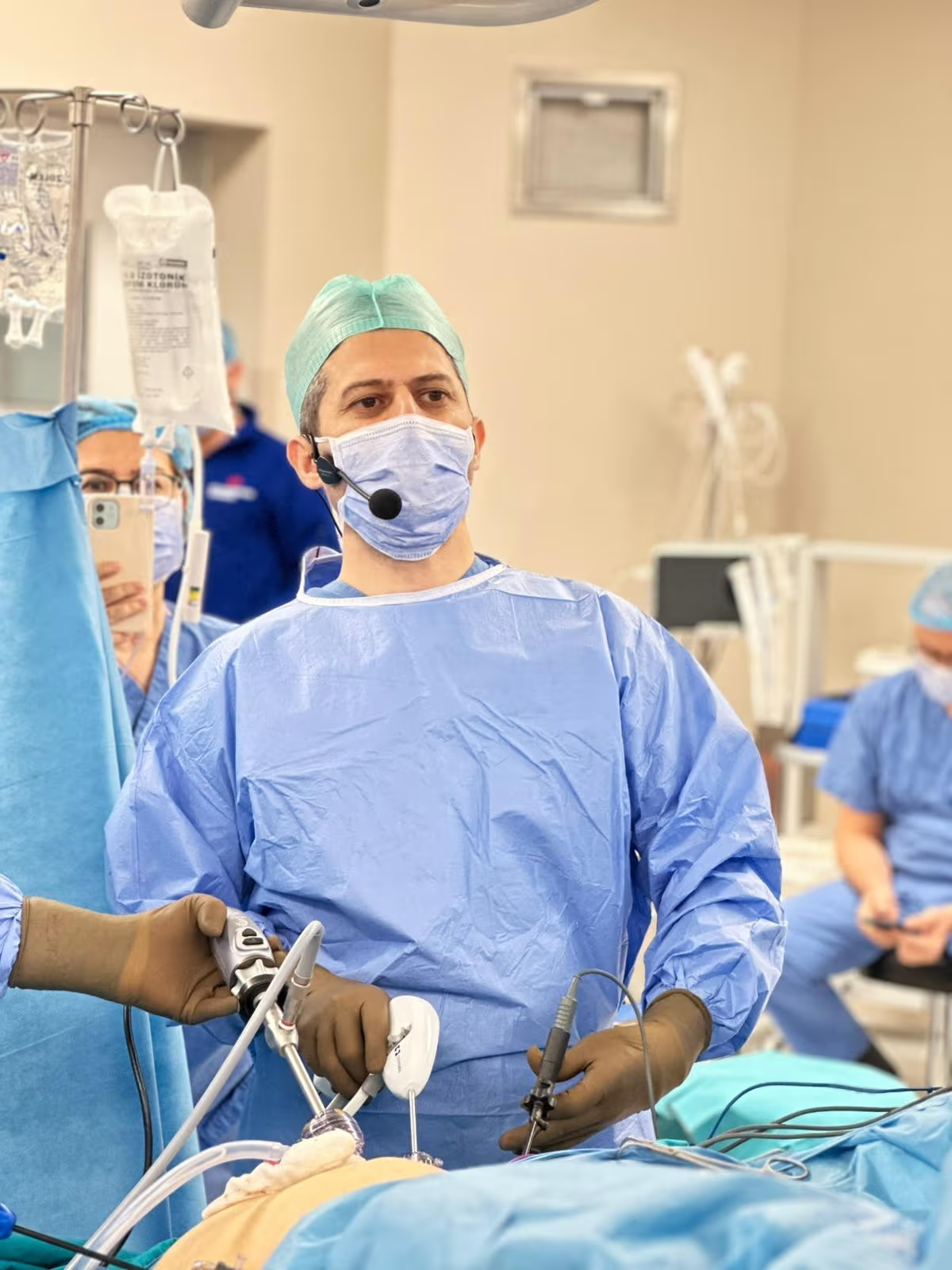
Robotik ve Laparoskopik Cerrahi
Kadın hastalıkları ve doğum alanında cerrahi tedaviler, son yıllarda minimal invaziv yöntemlerin gelişmesiyle önemli ölçüde değişmiştir. Geleneksel açık cerrahide karın bölgesinde daha büyük kesiler yapılırken, laparoskopik ve robotik cerrahide işlemler çoğunlukla birkaç küçük kesi aracılığıyla gerçekleştirilir. Bu yaklaşım, uygun hastalarda daha az ağrı, daha küçük iz, daha kısa hastane yatışı ve günlük yaşama daha hızlı dönüş gibi avantajlar sağlayabilir.
Peki her küçük kesiyle yapılan ameliyat aynı mıdır? Hayır. Laparoskopik cerrahi ve robotik cerrahi benzer prensiplere dayanır, ancak kullanılan teknoloji, cerrahın hareket kabiliyeti ve görüntüleme özellikleri açısından farklılık gösterir.
Laparoskopik Cerrahi Nedir?
Laparoskopik cerrahi, karın duvarında açılan küçük kesilerden kamera ve ince cerrahi aletlerin yerleştirilmesiyle yapılan bir minimal invaziv cerrahi yöntemidir. Kamera sayesinde karın ve pelvis içindeki organlar büyütülmüş olarak ekrana yansıtılır. Cerrah, bu görüntü eşliğinde işlemi dışarıdan kontrol ettiği özel aletlerle gerçekleştirir.
Jinekolojide laparoskopi; yumurtalık kistleri, miyomlar, endometriozis, dış gebelik, tüplerle ilgili problemler, rahim alınması ve bazı kanser cerrahileri gibi çok farklı durumlarda kullanılabilir.
Robotik Cerrahi Nedir?
Robotik cerrahi de aslında laparoskopik cerrahinin gelişmiş bir biçimi olarak düşünülebilir. Ameliyat yine küçük kesilerden yapılır; ancak cerrah, ameliyat masasının yanında doğrudan aletleri tutmak yerine bir konsol üzerinden robotik kolları yönetir. Robotik sistem cerrahın el hareketlerini hassas, kontrollü ve titremeyi azaltılmış hareketlere dönüştürür.
Robotik cerrahide üç boyutlu ve yüksek çözünürlüklü görüntüleme, eklemli enstrümanlar ve dar alanlarda daha hassas hareket imkânı önemli avantajlar sağlayabilir. Özellikle derin pelvis cerrahisi, ileri endometriozis, kompleks miyom ameliyatları, yapışıklıkların yoğun olduğu olgular ve bazı onkolojik cerrahilerde robotik sistem cerraha teknik kolaylık sunabilir.
Hangi Hastalıklarda Kullanılır?
Robotik ve laparoskopik cerrahi, hastanın durumuna ve cerrahın değerlendirmesine göre aşağıdaki durumlarda kullanılabilir:
Miyomlar
Yumurtalık kistleri
Endometriozis
Adenomyozis
Dış gebelik
Tüplerin bağlanması veya tüplerle ilgili cerrahiler
Rahim alınması
Yumurtalık veya tüplerin alınması
Pelvik yapışıklıklar
Kronik pelvik ağrıya neden olan bazı durumlar
Uygun olgularda jinekolojik kanser cerrahileri
Her hasta minimal invaziv cerrahi için uygun olmayabilir. Önceden geçirilmiş ameliyatlar, ileri derecede yapışıklıklar, kitlenin boyutu, hastanın genel sağlık durumu, kanser şüphesi, gebelik isteği ve cerrahın deneyimi yöntemin seçiminde önemlidir.
Hangi Belirtiler Cerrahi Değerlendirme Gerektirebilir?
Aşağıdaki yakınmalar, bir kadın hastalıkları ve doğum uzmanı tarafından değerlendirilmelidir:
Şiddetli adet ağrısı
Uzun süren veya aşırı adet kanaması
Ara kanama veya menopoz sonrası kanama
Kronik kasık veya pelvik ağrı
Cinsel ilişki sırasında ağrı
Karında şişlik veya bası hissi
Sık idrara çıkma veya bağırsak alışkanlıklarında değişiklik
Gebe kalmada zorluk
Ani başlayan şiddetli kasık ağrısı
Yumurtalık kisti, miyom veya endometriozis tanısı almış olmak
Burada önemli soru şudur: Her belirti ameliyat gerektirir mi? Hayır. Bazı hastalıklar ilaç tedavisi veya takip ile yönetilebilir. Cerrahi karar, hastalığın türüne, belirtilerin şiddetine, hastanın yaşına, çocuk sahibi olma planına ve yaşam kalitesine göre verilir.
Tanı Nasıl Konulur?
Cerrahi karardan önce ayrıntılı bir değerlendirme yapılır. Bu değerlendirme genellikle şu adımları içerir:
1. Tıbbi öykü ve muayene
Hastanın şikâyetleri, adet düzeni, ağrının tipi, gebelik öyküsü, geçirilmiş ameliyatlar, kullanılan ilaçlar ve aile öyküsü sorgulanır. Jinekolojik muayene ile rahim, yumurtalıklar ve pelvis değerlendirilir.
2. Ultrasonografi
Transvajinal veya abdominal ultrason, miyom, yumurtalık kisti, rahim içi patolojiler ve bazı pelvik hastalıkların değerlendirilmesinde temel görüntüleme yöntemidir.
3. Kan testleri
Kan sayımı, hormon testleri, enfeksiyon belirteçleri veya tümör belirteçleri gibi testler hastalığın türüne göre istenebilir.
4. MR veya ileri görüntüleme
Endometriozis, büyük miyomlar, derin pelvik lezyonlar veya kanser şüphesi olan durumlarda MR gibi ileri görüntüleme yöntemlerinden yararlanılabilir.
5. Histeroskopi veya biyopsi
Rahim içi kanama problemlerinde, polip veya rahim içi patoloji şüphesinde histeroskopi veya endometrial biyopsi gerekebilir.
Tedavi Seçenekleri Nelerdir?
Tedavi her hastaya özel planlanmalıdır. Aynı hastalık iki farklı hastada tamamen farklı şekilde yönetilebilir.
Takip
Küçük, belirti vermeyen ve iyi huylu görünen bazı kistler veya miyomlar düzenli takip edilebilir. Bu durumda belirli aralıklarla muayene ve ultrason yapılır.
İlaç Tedavisi
Adet düzensizliği, ağrı, endometriozis veya miyomlara bağlı bazı şikâyetlerde hormonal tedaviler, ağrı kesiciler veya destek tedavileri kullanılabilir.
Histeroskopik Cerrahi
Rahim içindeki polip, submüköz miyom veya yapışıklık gibi durumlarda vajinal yoldan, karında kesi olmadan histeroskopik cerrahi yapılabilir.
Laparoskopik Cerrahi
Laparoskopi, birçok jinekolojik hastalıkta etkili ve yaygın kullanılan bir yöntemdir. Yumurtalık kisti çıkarılması, miyom alınması, endometriozis odaklarının temizlenmesi, tüp cerrahileri ve rahim alınması gibi işlemler laparoskopik olarak yapılabilir.
Robotik Cerrahi
Robotik cerrahi, özellikle karmaşık anatomik bölgelerde, derin pelvis cerrahisinde, yoğun yapışıklıklarda veya hassas doku ayrımı gereken durumlarda tercih edilebilir. Ancak robotik cerrahinin gerekli olup olmadığı her hasta için ayrı değerlendirilmelidir. Robotik sistem gelişmiş bir teknolojidir; fakat başarıyı belirleyen en önemli faktörlerden biri yine cerrahın deneyimi ve doğru hasta seçimidir.
Açık Cerrahi
Bazı durumlarda açık cerrahi hâlâ en güvenli veya en uygun seçenek olabilir. Çok büyük kitleler, ileri yapışıklıklar, yaygın hastalık, bazı kanser şüpheleri veya acil durumlarda açık cerrahi tercih edilebilir.
Laparoskopik Cerrahi ile Robotik Cerrahi Arasındaki Farklar
Kesi ve iyileşme
Her iki yöntem de genellikle küçük kesilerle yapılır. Bu nedenle açık cerrahiye göre iyileşme süreci daha konforlu olabilir. Hastanede kalış süresi ve günlük yaşama dönüş süresi yapılan ameliyatın türüne göre değişir.
Görüntüleme
Laparoskopide iki boyutlu veya bazı sistemlerde üç boyutlu görüntü kullanılabilir. Robotik cerrahide ise genellikle üç boyutlu, büyütülmüş ve yüksek çözünürlüklü görüntü sağlanır.
Alet hareket kabiliyeti
Laparoskopik aletler düz ve sınırlı açılı hareket eder. Robotik cerrahide kullanılan eklemli aletler, cerraha dar alanlarda daha geniş hareket kabiliyeti sağlayabilir.
Cerrah ergonomisi
Laparoskopide cerrah ameliyat masasının yanında ayakta çalışır. Robotik cerrahide cerrah konsolda oturarak çalışır. Uzun ve karmaşık ameliyatlarda bu durum cerrah açısından ergonomik avantaj sağlayabilir.
Maliyet
Robotik cerrahi genellikle laparoskopik cerrahiye göre daha yüksek maliyetlidir. Bu nedenle her hastada robotik yaklaşım gerekli olmayabilir.
Hangisi daha iyidir?
Bu sorunun tek bir cevabı yoktur. Basit ve orta düzey birçok jinekolojik cerrahide laparoskopi son derece etkili bir yöntemdir. Daha kompleks bazı olgularda robotik cerrahi cerraha teknik avantaj sağlayabilir. En doğru yöntem; hastalığın türü, hastanın beklentileri, doğurganlık planı, cerrahın deneyimi ve merkezin olanakları birlikte değerlendirilerek seçilmelidir.
Ameliyat Öncesi Hazırlık
Ameliyat öncesinde hastanın genel sağlık durumu değerlendirilir. Kan testleri, görüntüleme sonuçları, kullanılan ilaçlar ve anestezi uygunluğu gözden geçirilir. Kan sulandırıcı ilaçlar, diyabet ilaçları veya düzenli kullanılan diğer ilaçlar için özel düzenleme gerekebilir.
Hastanın ameliyat öncesinde sorması gereken bazı önemli sorular şunlardır:
Benim hastalığım için ameliyat şart mı?
Laparoskopik, robotik veya açık cerrahi seçeneklerinden hangisi bana daha uygun?
Rahim veya yumurtalıkların korunması mümkün mü?
Gebelik planım varsa bu ameliyat doğurganlığımı nasıl etkiler?
Ameliyat sonrası ne kadar sürede günlük yaşama dönebilirim?
Olası riskler nelerdir?
Ameliyat Sonrası Takip
Ameliyat sonrası takip, yapılan işlemin türüne göre değişir. Genellikle ağrı kontrolü, yara yerlerinin değerlendirilmesi, kanama takibi, enfeksiyon bulguları ve hastanın günlük aktivitelere dönüş süreci izlenir.
Hastalar genellikle şu konularda bilgilendirilir:
Yara bakımı
Duş alma zamanı
Ağır kaldırma kısıtlaması
Cinsel ilişkiye dönüş zamanı
Egzersize başlama
İşe dönüş süresi
Patoloji sonucu takibi
Kontrol randevuları
Ateş, kötü kokulu akıntı, artan karın ağrısı, yoğun kanama, nefes darlığı, bacakta şişlik veya kızarıklık gibi durumlarda gecikmeden hekime başvurulmalıdır.
Sonuç
Robotik ve laparoskopik cerrahi, jinekolojik hastalıkların tedavisinde modern, etkili ve hasta konforunu artırabilen yöntemlerdir. Ancak her hasta için tek bir doğru yöntem yoktur. En uygun cerrahi yaklaşım; hastalığın özellikleri, hastanın genel durumu, gebelik planı, cerrahın deneyimi ve merkezin teknik olanakları birlikte değerlendirilerek belirlenmelidir.
Doğru tanı, doğru hasta seçimi ve deneyimli cerrahi ekip ile minimal invaziv jinekolojik cerrahi, birçok hasta için güvenli ve konforlu bir tedavi seçeneği sunabilir.
Bu metin genel bilgilendirme amacı taşır. Tanı ve tedavi kararları için mutlaka kadın hastalıkları ve doğum uzmanına başvurulmalıdır.